
Chat With Us
Receivers: Highlights and New Product Announcement
Back to Latest News

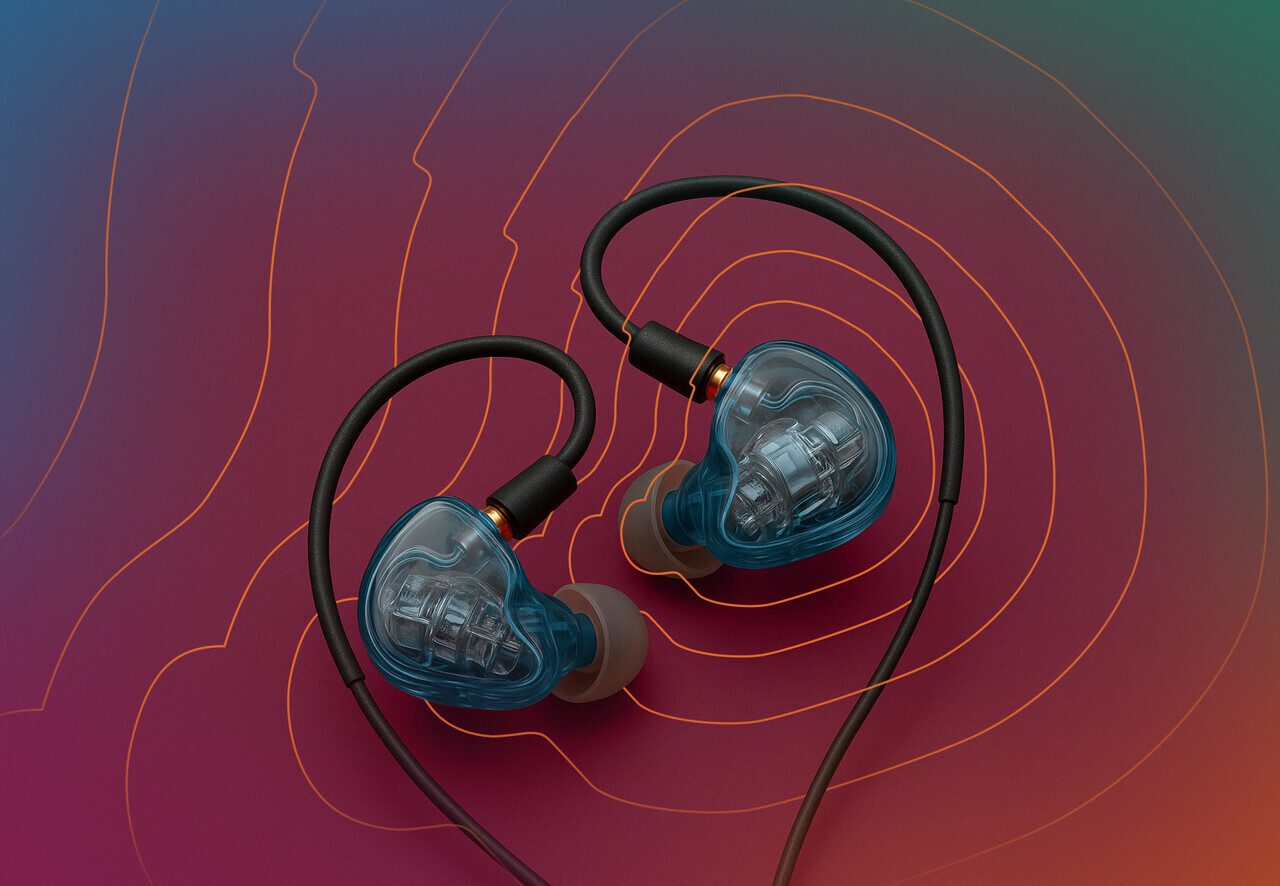
Looking for compact in-ear dynamic receivers that deliver >100 dB SPL from 1 mW while staying phase-coherent and tested per IEC 60318-4? Our new receivers span 16–50 Ω and 10–40 mm diameters, produce 100–122 dB @ 1 kHz/1 mW at 1 cm, hold THD under 5%, and are designed for ear-canal or acoustic-tube coupling.

What’s new (short version)
- 16–50 Ω impedance options with high output from low power.
- Sized for constrained builds (10–40 mm) with consistent phase response across the audio band.
- High SPL in limited space; engineered for efficient coupling to ear canal or tubing.
- Standardized measurements using 1 cc occluded-ear simulators per IEC 60318-4.
Applications
Hearing aids (BTE/ITE, CIC/IIC), wireless earpieces/earbuds, secure comms earpieces, medical diagnostics/monitoring, and compact consumer devices (smart glasses/helmets, voice-assist wearables).
Quick part highlights (selection)
- AR01032MR-3 — 10 × 3.03 mm, 32 Ω: 3 mW nominal (5 mW max), f_res ≈ 122 Hz, 114.3 dB SPL @ 1 kHz/1 mW, 20–20 kHz.
- AR01330MR — 13 × 1.95 mm, 30 Ω: 5 mW nominal (10 mW max), f_res ≈ 260 Hz, 113.5 dB SPL, 20–20 kHz.
- AR01432MR — 14.2 × 4.8 mm, 32 Ω: 10 mW nominal (20 mW max), f_res ≈ 120 Hz, 120 dB SPL, 20–20 kHz.
- AR03032MR-3 — 30 × 5.4 mm, 32 Ω: 15 mW nominal (20 mW max), f_res ≈ 100 Hz, 122 dB SPL, 20–20 kHz.
- AR03450MR — 34 × 7.5 mm, 50 Ω: 10 mW nominal (25 mW max), f_res ≈ 90 Hz, 114 dB SPL, 20–20 kHz.
Design notes (for faster integration)
- Small sealed volumes: mm³-scale cavities mean back-volume shifts materially change response and sensitivity; design enclosure/tubing as part of the acoustic system.
- Mechanical isolation: Prevent housing-borne vibration and manage pressure with vents where appropriate.
- Measurement: Devices are characterized with IEC 60318-4 occluded-ear simulators (ear simulators), replacing older IEC 711 methods; practical accuracy ~100 Hz–10 kHz for comparisons.
Handling & assembly (don’t lose dB to bad process)
- Handle by housing/terminals only; the diaphragm is micron-scale and easily damaged. No faceplate/port contact.
- Keep adhesives/solvents away from the acoustic path.
- In fixtures/couplers, avoid any contact with the diaphragm; don’t blast compressed air into the port.
- Guard against debris ingress; consider acoustic mesh.
Recommended amplifier ICs
For clean drive from compact systems, pair with TI TPA6132A2 (25 mW stereo headphone amp) or ADI MAX97220A (Differential-input DirectDrive line driver/headphone amp). Reference schematics and tuning support are available from our applications team.
Availability & next steps
Our receivers provide high output, low distortion, and predictable phase in small enclosures for medical, wearable, and secure-comms designs. Request samples or a custom recommendation from our engineers, or browse the full lineup on our Speakers & Receivers page (filter by: “Device Type = Receiver”).